
Address Chronic Muscle Tension and Stiffness
Deep Tissue Massage Therapy in Omaha for athletes and individuals with physically demanding routines
Omaha Massage REHAB provides deep tissue massage therapy in Omaha for individuals whose muscles have become chronically tight from repeated physical activity, manual labor, or athletic training. You may feel stiffness that does not improve with stretching alone, muscle knots that have been present for weeks or months, or restricted movement in areas like your hips or shoulders that limits your performance. This service targets the deeper layers of muscle and connective tissue where tension accumulates and adhesions form.
The work involves applying slow, deliberate pressure along the muscle fibers and across the grain of the tissue to break up areas where muscle has adhered to itself or to surrounding structures. This pressure is deeper than what is used in relaxation massage, and you will feel the therapist working into specific areas where tightness has built up. The goal is to restore normal muscle function, reduce inflammation, and improve the way your muscles move in relation to each other.
If you are training for an event, recovering from overuse, or dealing with stiffness that interferes with your daily activities, scheduling a session can help you regain mobility and reduce long-term discomfort.
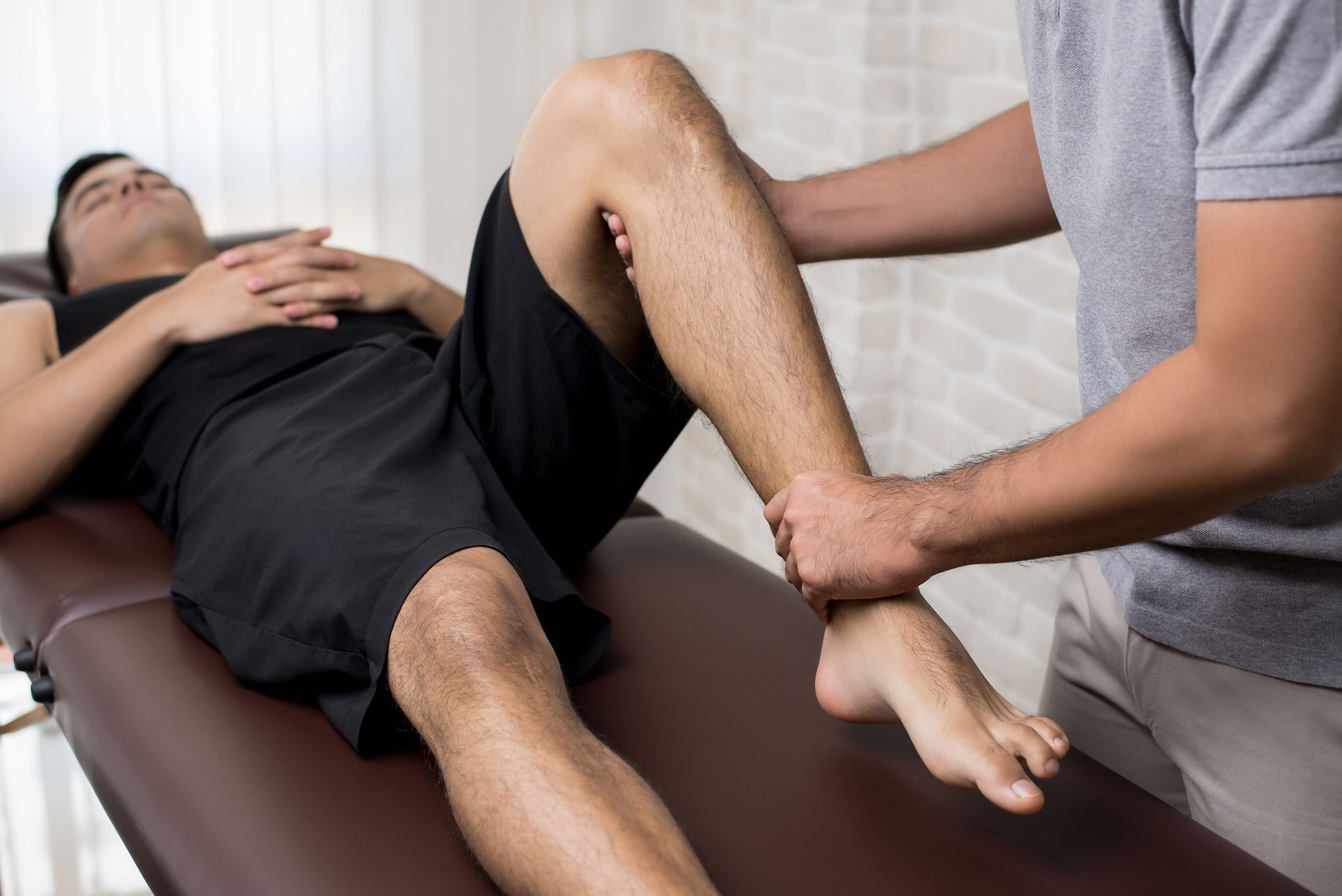
How Deep Tissue Work Restores Muscle Function
Your therapist will identify areas where muscle tissue feels dense, restricted, or painful to the touch. Pressure is applied using fingers, knuckles, or forearms, depending on the size and depth of the muscle being treated. The strokes move slowly to allow the tissue time to respond and release. You may feel discomfort during the work, but it should remain within a tolerable range. Breathing deeply and communicating with your therapist helps ensure the pressure stays effective without crossing into pain that causes your muscles to tense further.
After your session with Omaha Massage REHAB, you will notice that movements requiring a full range of motion feel less restricted. If you had difficulty reaching overhead without feeling a pull in your shoulder, that motion becomes smoother. If your hamstrings felt tight and resistant when you bent forward, that tension decreases and you can move more freely. Some soreness may appear in the treated areas within the first day or two, similar to what you feel after a hard workout, but this fades as the tissue adapts and inflammation decreases.
Deep tissue massage is most effective when used as part of a broader approach to managing muscle health. This includes proper warm-up and cool-down routines, adequate hydration, and rest between periods of intense physical activity. The therapy does not replace medical evaluation for injuries that involve joint damage, nerve compression, or other conditions requiring diagnosis and treatment by a physician.
What to Know Before Your Session
Clients in Omaha who are considering deep tissue massage often have questions about what the work involves and how their body will respond.
What makes deep tissue massage different from other types of massage?
Deep tissue massage uses slower strokes and deeper pressure to access layers of muscle and fascia that lighter techniques cannot reach. The focus is on breaking up adhesions and restoring normal tissue function rather than promoting general relaxation.
How much discomfort should I expect during the session?
You will feel pressure and some discomfort as the therapist works into tight areas, but the sensation should not be sharp or intolerable. If the pressure becomes too intense, let your therapist know so adjustments can be made.
When should I avoid deep tissue massage?
If you have an acute injury with swelling, bruising, or sharp pain, wait until the initial inflammation has subsided before scheduling deep tissue work. Clients in Omaha with certain medical conditions, such as blood clotting disorders or recent surgeries, should consult a healthcare provider before beginning this type of therapy.
Why do I feel sore after the session even though the work was supposed to help?
Soreness after deep tissue massage occurs because the tissue has been worked in ways that trigger a healing response. This is temporary and typically resolves within one to two days. Drinking water and applying heat to sore areas can help reduce discomfort.
How often should I schedule deep tissue sessions if I train regularly?
Many athletes and active individuals benefit from sessions every one to two weeks, depending on training intensity and how quickly their muscles recover. Regular sessions help prevent tightness from becoming chronic and support ongoing performance.
If chronic muscle tension is limiting your movement or affecting your ability to stay active, Omaha Massage REHAB can help you address the underlying tightness. Reach out to discuss your symptoms and determine whether deep tissue therapy is appropriate for your needs.